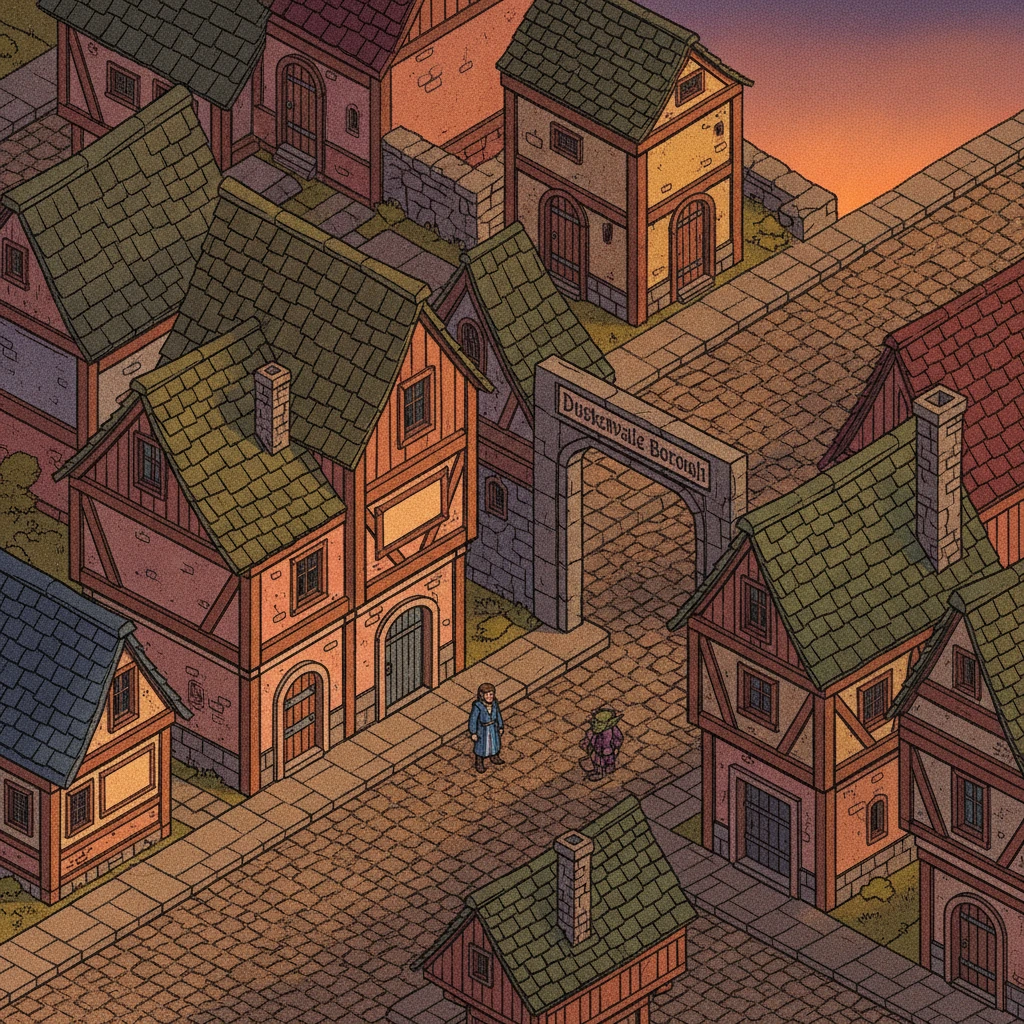
Planescape: Torment made a whole game out of one question: who is this person, if the world only knows the role. Esoteric Ebb, by Christoffer Bodegård and published by Raw Fury on 3 March 2026, asks it again in Norvik. You are the Cleric. A tea shop has exploded, the first election is five days away, and you wake in a morgue. Talk is the action, the city is the setting, and the job arrives before the self does.
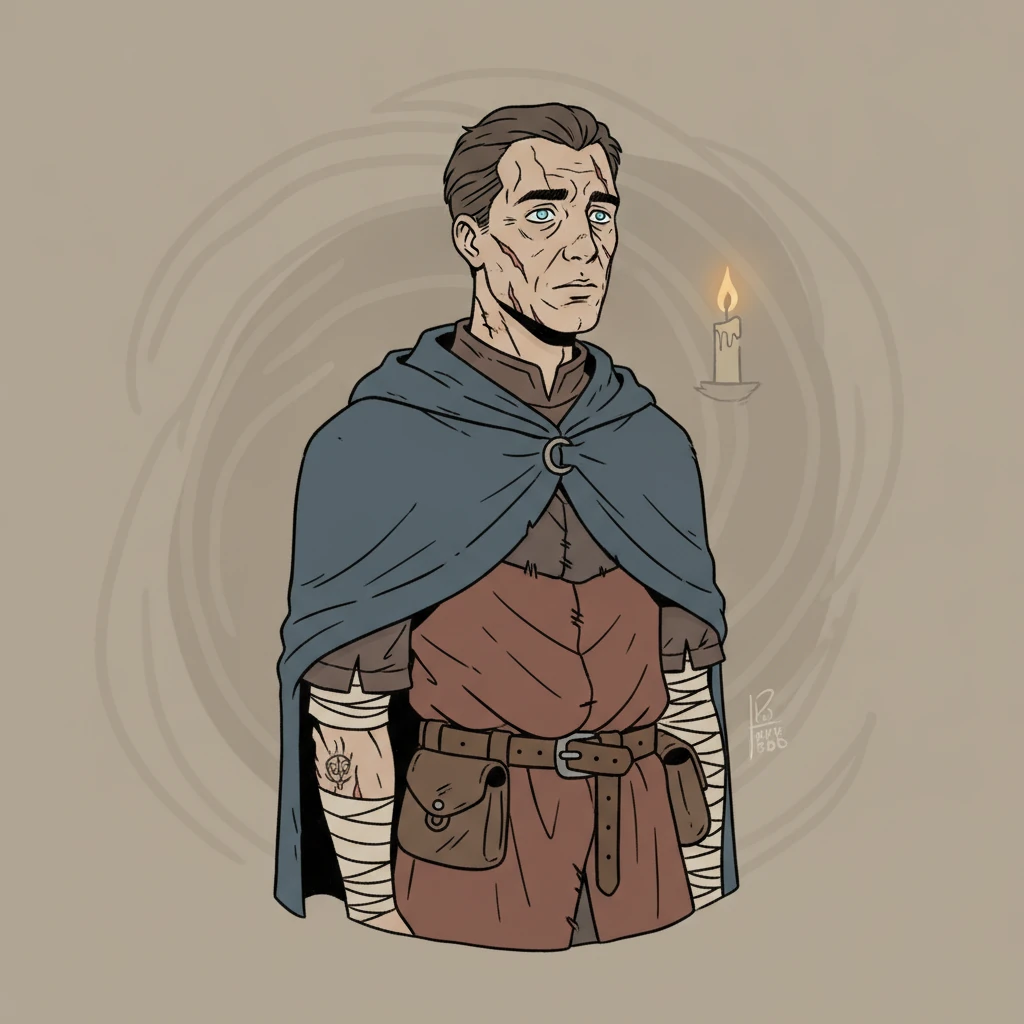
‘Planescape: Torment’ begins with a protagonist—the Nameless One—whose very nature revolves around identity and the question of the self. In ‘Esoteric Ebb’, the player assumes the role of a Cleric, a character defined by their purpose before their individuality. This design aspect creates a sense of connection to the archetypal figure of the cleric, encompassing both spiritual guidance and the weight of ethical choices. The similarity is structural. Torment’s Nameless One is a man the world addresses by what he is, not by a name. Ebb’s Cleric wakes in a morgue and is sent, as an office, to look into the explosion. The player learns Norvik before learning the man. Dialogue does the work a dungeon crawl would do in another RPG.
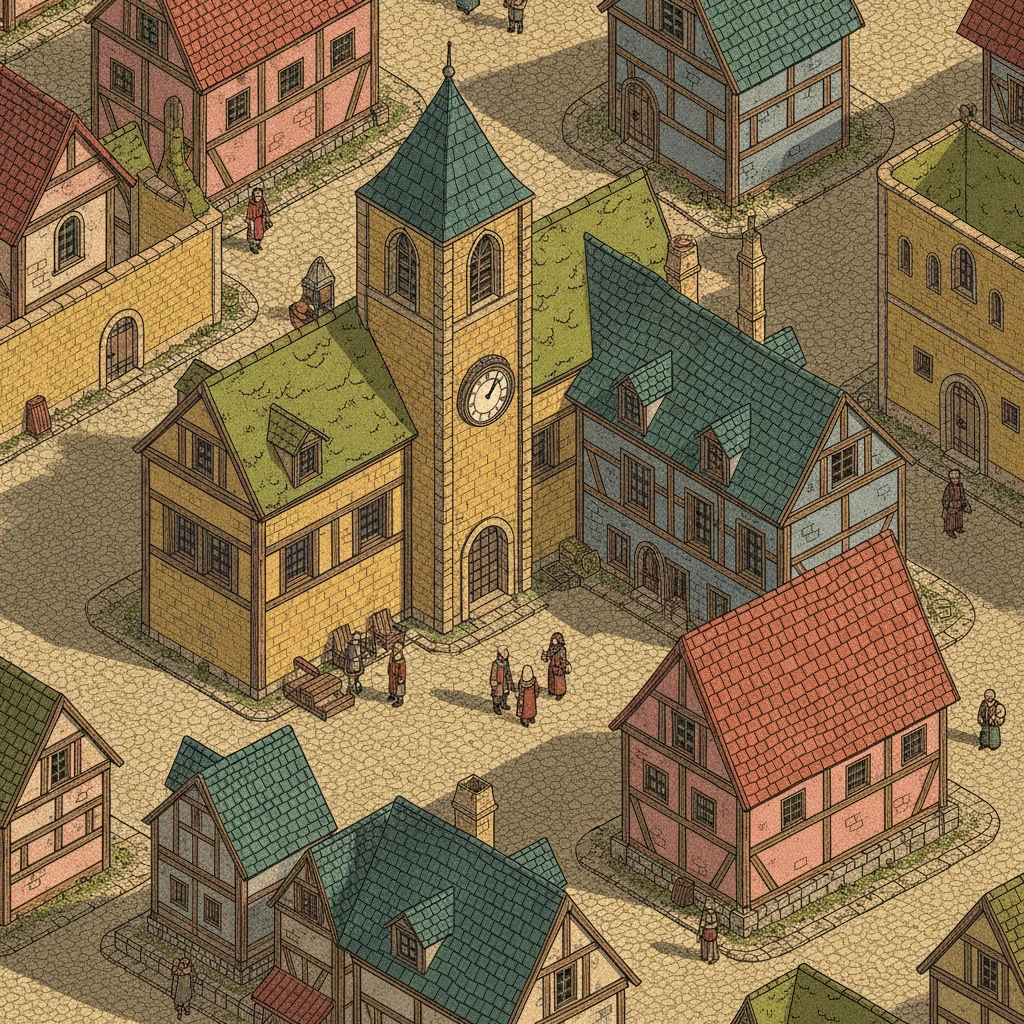
Setting plays a crucial role in both ‘Planescape: Torment’ and ‘Esoteric Ebb’, yet they employ their respective cities as reflective substrates for the player’s existential inquiries. While Sigil acts as a hub of planes and philosophies, Norvik serves as a backdrop for the impending election, illustrating tensions between factions and ideologies. The model of Norvik resonates with layered political discourse, where the actions and words of its residents shape the atmosphere and echo debates that intersect with the players’ moral compass. As players engage with the city five days before its first election, they are reminded of their duties and the consequences that come with interventions. The decay of bureaucracy, the spirit of revolution, and the aftermath of the explosive incident set the stage for a rich exploration of societal values—mirroring the vibrancy and depth found in the streets of Sigil. The Cleric’s journey is an invitation to not just engage physically with the setting, but to comprehend Norvik on an ideological tableau.
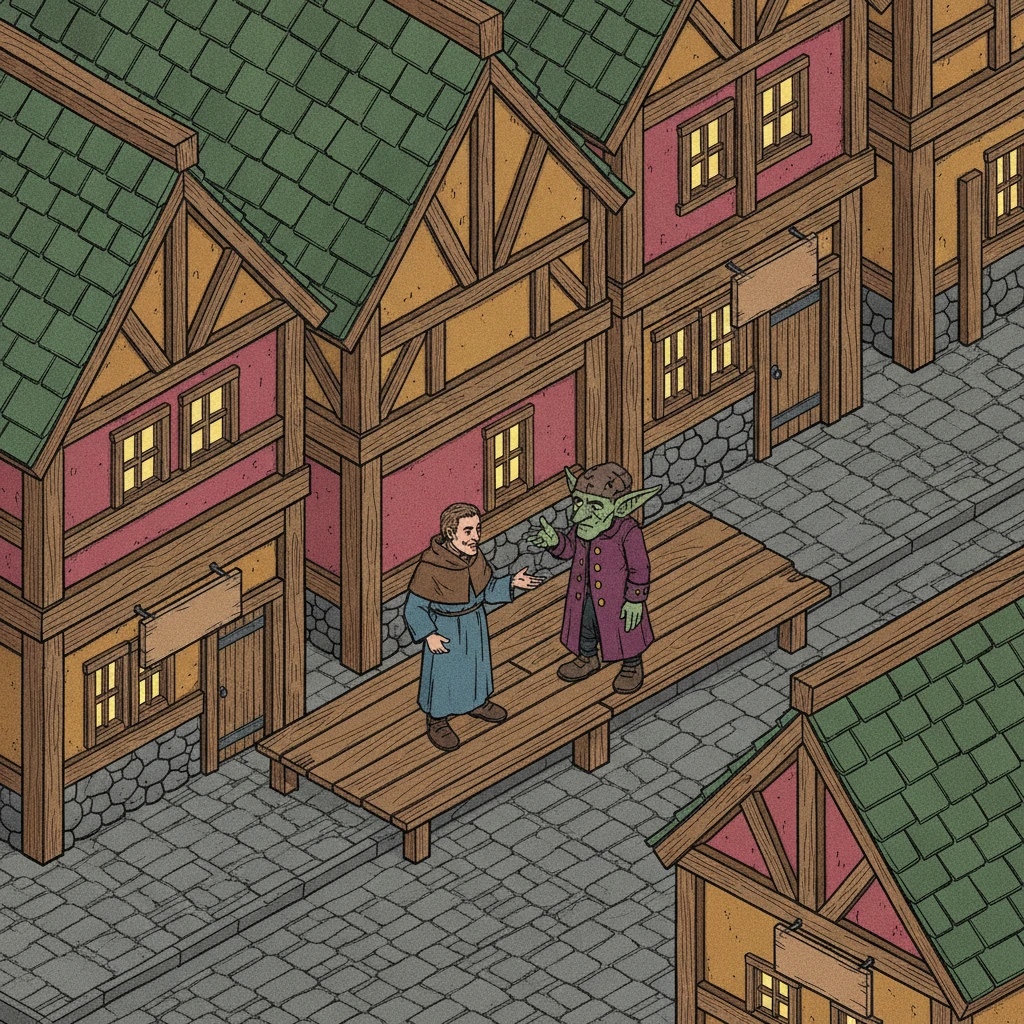
In ‘Planescape: Torment’, dialogues serve as the lifeblood of the gameplay mechanics, with conversations steering the direction of the narrative and character development. Similarly, ‘Esoteric Ebb’ amplifies this aspect through its tabletop-inspired mechanics, where every dialogue choice becomes an active engagement with the environment. The Cleric’s discussions with companions, including the goblin Snell, provide not only narrative depth but serve as a medium for philosophical reflection. Each roll of the dice not only impacts the likelihood of outcomes but disrupts conversations, introducing a conversation-based gameplay mechanic where abilities—a nod to classic RPG structures—bolster character interactions. The six ability scores cut into the conversation with opinions of their own. A check is another voice in the argument, which is how the game turns a tabletop habit into the scene. The exchanges with Snell do the job Torment gave to Morte: a companion who will not let a solemn line stand unchallenged.
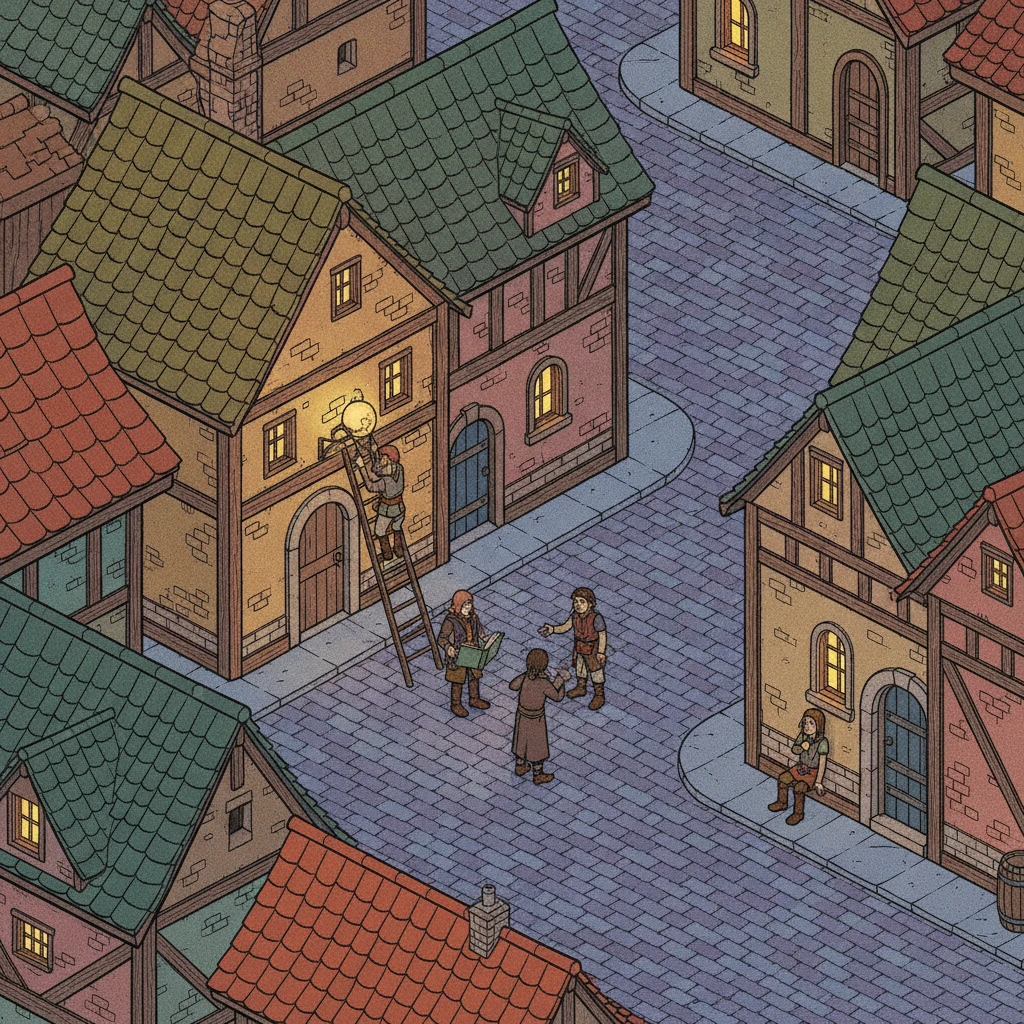
‘Planescape: Torment’ masterfully navigates the balance between gravitas and humor, using the absurdity of its setting to reflect profound truths. ‘Esoteric Ebb’ seeks to capture that blend, with moments where humor is honed into a philosophical reflection, especially through exchanges with Snell and civilian NPCs. The game doesn’t shy away from engaging serious themes such as free will, morality, and death, but injects levity to ensure players remain engaged. For instance, as the Cleric investigates the explosion and its implications on Norvik’s future, dialogues often balance urgent inquiries with witty banter, inviting players to reflect without feeling weighed down. This approach resonates with ‘Planescape: Torment’s’ use of humor to convey existential angst. Here, players find a place to engage seriously with decisions while simultaneously enjoying the comic absurdity the world presents.
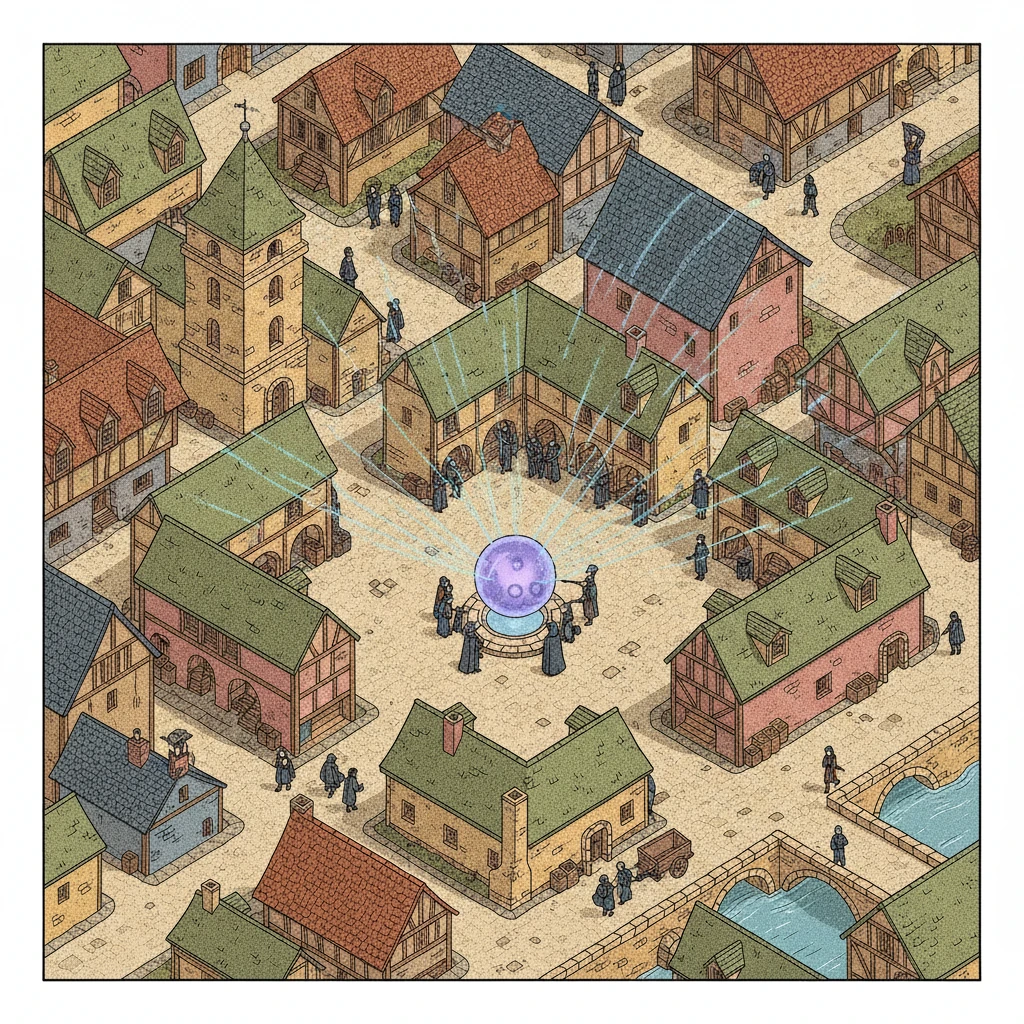
Both ‘Planescape: Torment’ and ‘Esoteric Ebb’ introduce a concept where player’s free will is under constant scrutiny. In ‘Esoteric Ebb’, the six ability scores can interrupt conversations, injecting additional layers to discussions as they provide opinions reflective of the Cleric’s nature and internal conflict. These interruptions create a unique interaction where players are continually reminded that their character’s choices are influenced by intrinsic traits, mirroring the philosophical inquiry of fate versus choice that pervades ‘Planescape: Torment’. In essential moments throughout the narrative, when the Cleric’s decisions align or clash with these internal voices, players are invited to engage in a deeper dialogue about the nature of agency and responsibility—fostering a complex understanding of identity shaped by both external pressures and internal conflicts.
As ‘Esoteric Ebb’ continues the legacy of philosophical storytelling established in ‘Planescape: Torment’, it prompts players not just to engage with a narrative but to question their beliefs about identity, morality, and the weight of choice. It creates a tapestry of experiences analogous to its predecessor while reinventing the conversation around player agency and character depth. In a genre often criticized for superficial storytelling, both these games stand as pillars advocating for a narrative-driven approach that echoes in the corridors of player consciousness long after the game has ended. What other narratives could emerge if the conversations within our games continued this exchange of ideas, challenging our perceptions of the world?