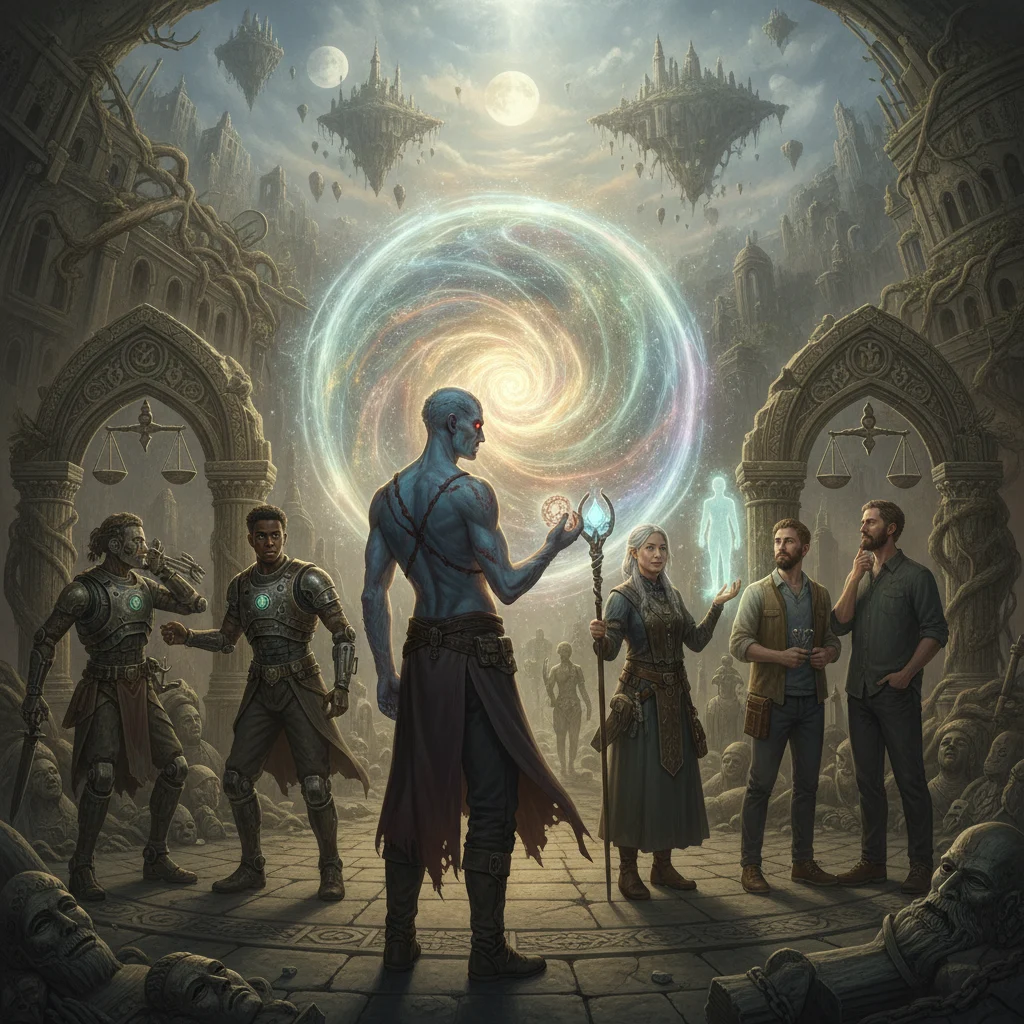
Planescape: Torment stands as a monumental achievement in the realm of RPGs, delving into complex themes of identity, mortality, and the nature of existence itself. Unlike many games that celebrate heroism through traditional combat and quests, Planescape: Torment complicates the notions of what it means to be a hero, offering players not just choices, but profound philosophical dilemmas that resonate even today. In this exploration, we will examine how the game reflects on key themes such as memory, sacrifice, and the fluidity of identity, all interwoven in the intricate tapestry of storytelling that has captivated gamers since its release.
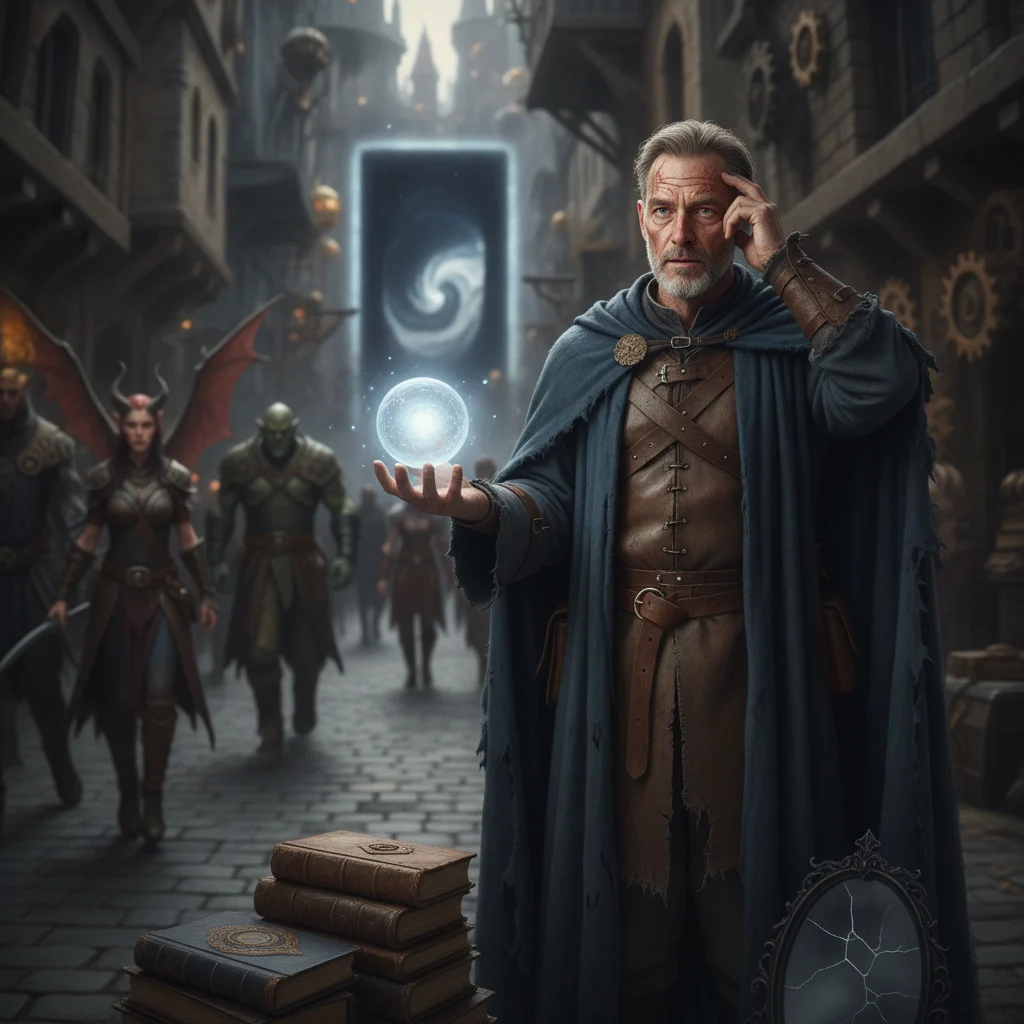
At the heart of Planescape: Torment lies the enigmatic figure of the Nameless One, whose journey is intrinsically linked to questions of identity. The game opens with the protagonist awakening in a mortuary with no memory of who he is, making the exploration of self a central theme. As players traverse the planes, they gather fragments of their past, revealing that each death leads to a painful rebirth, stripping the character of memories rather than granting enlightenment. This cyclical nature of existence forces players to confront the weight of their choices, reshaping their understanding of identity. As the Nameless One muses, "There is no ‘me’ to find," we grapple with the ramifications of a life spent in a quest for meaning amidst forgetfulness. Each character encountered acts as a reflection of choices made in previous lives, emphasizing the impact of previously held identities, yet celebrating the transformation that follows.
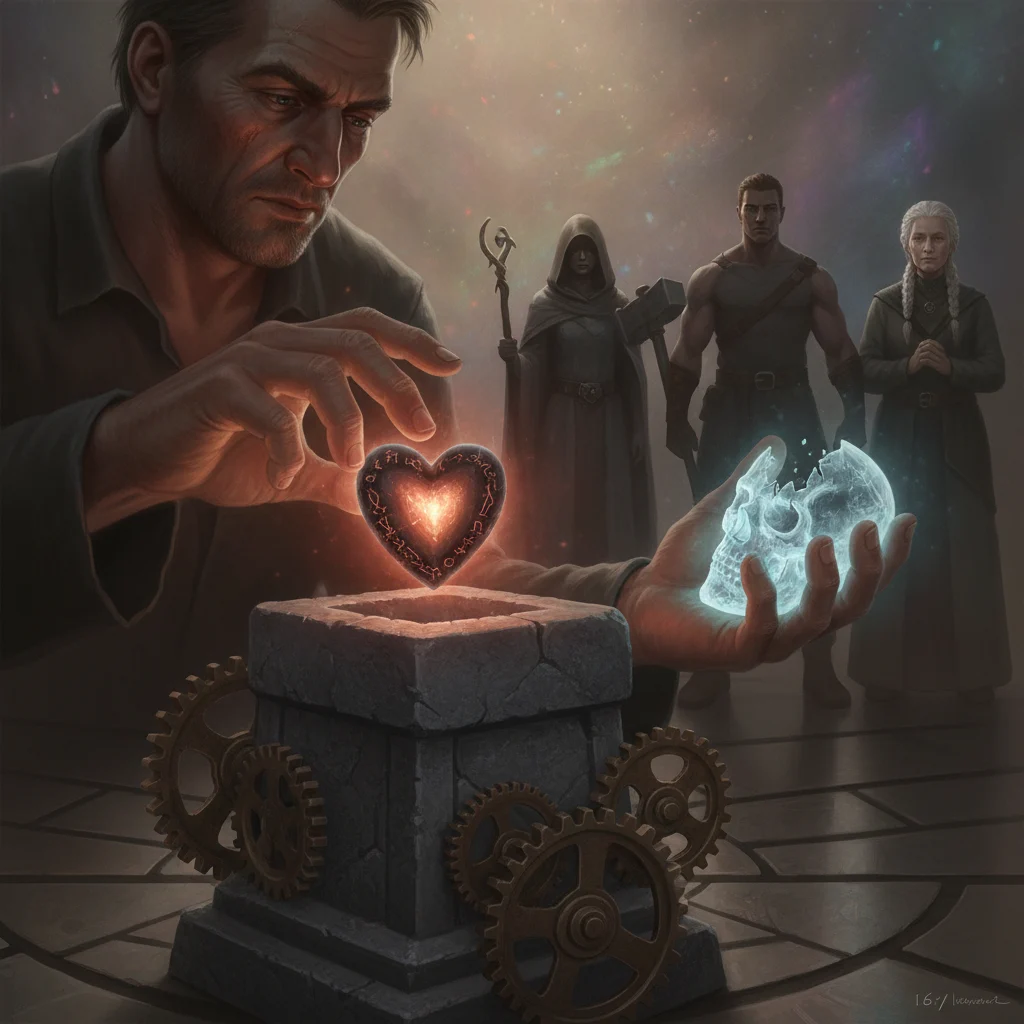
Mortality is woven into the very fabric of Planescape: Torment, guiding players through profound choices that fundamentally alter the game’s trajectory. Unlike typical RPGs where death is often a mere obstacle, the game’s premise centers on the Nameless One’s eternal life and the consequences of his actions. A striking example of this is illustrated in the encounters with companions like Morte, a floating skull who represents the folly of denying death and the inevitability of fate. In conversations, Morte highlights, "You’re no hero, you know that? You’re just a man with a lot of scars—a bit of a mess, actually." This introspective dialogue encourages players to recognize that heroism does not solely consist of valorous acts, but also includes the moral implications of their choices. The end of the game exemplifies this theme, offering different closures based on the sacrifices players are willing to make—including forgoing their own existence to save the multiverse. In this sense, the gameplay reflects an intricate moral tapestry, prompting reflections on whether the ends justify the means.
Free will emerges as another intriguing theme within Planescape: Torment’s narrative structure, entangled within the constraints of fate and consequence. Players are often presented with morally complex choices that force them to contemplate their agency. One striking mechanism is the fact that the Nameless One does not remember his prior decisions, creating a unique tension between choice and consequence. For example, in interactions with The Insufferable Bastard, the player must navigate dialogues that challenge their moral compass, grey areas where right and wrong are cumbersome to discern. This concept reaches its pinnacle when confronted with options that will shape the story’s outcome, such as saving party members or sacrificing them for greater goals. A key moment arises when the player realizes their decisions echo through time and space, urging them to reflect: "Do I choose to act, or do I let fate guide me?" This constant interplay complicates the nature of free will, transforming the game into a philosophical investigation on the freedom of action amidst the chains of consequence.
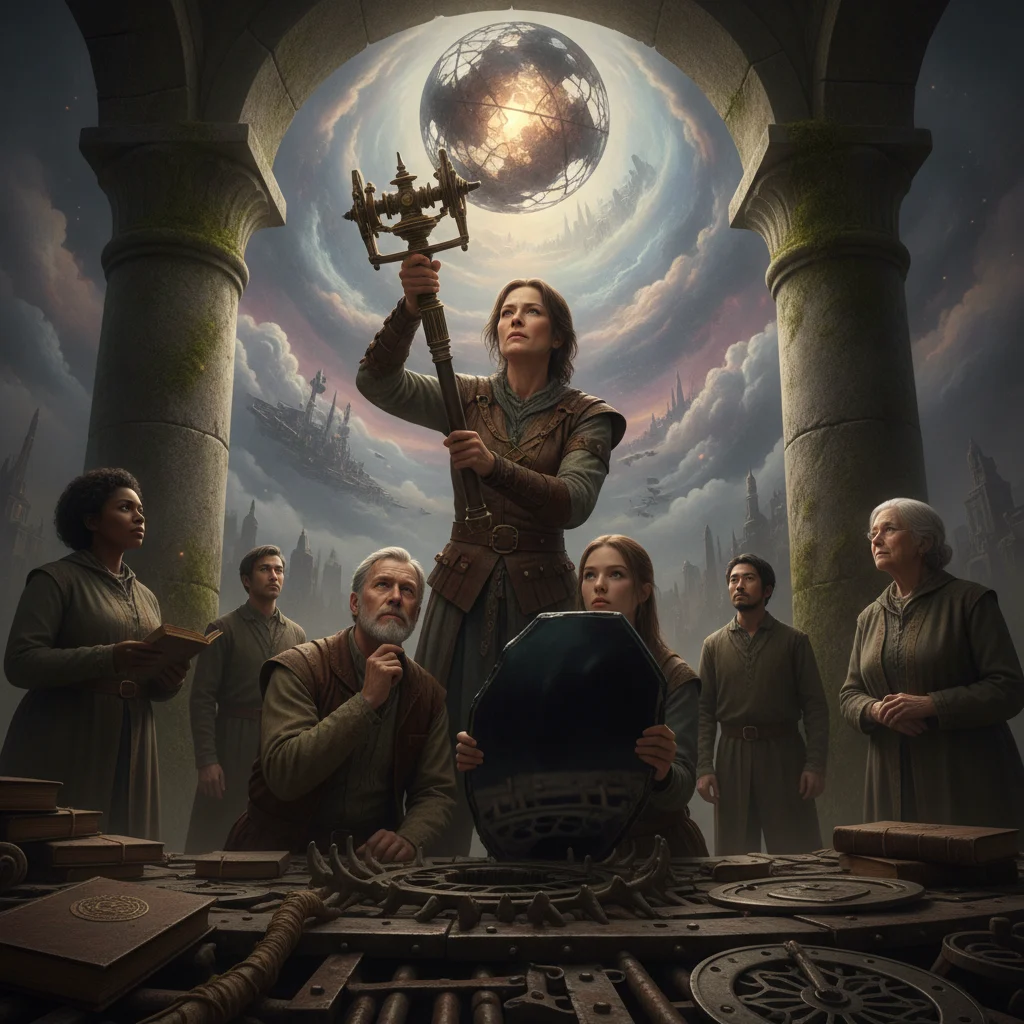
Morality in Planescape: Torment is never straightforward; it resides within the grey areas where virtue and vice are perpetually intertwined. The game invites players into morally ambiguous situations, encouraging them to question the ethical implications of their actions. A pivotal narrative moment occurs during the quest involving The Hive, where the player encounters various factions vying for power, each with their own set of moral codes. The intricate dialogue system allows players to align with different moral philosophies—sometimes sacrificing personal integrity for a greater good, thus blurring the lines of right and wrong. For instance, interactions with characters like Fall-from-Grace illuminate the layers of moral complexity, as she states, "You must choose for yourself what is good and what is evil; I cannot do it for you." This encounter illustrates that morality is subjective, shaped by context and perspective, and forces the player to engage introspectively with their actions in a richly constructed narrative landscape.

Death in Planescape: Torment serves as both a narrative device and a philosophical point of reflection. The game’s unique approach to mortality allows players to confront death not as a finality, but as a means of exploration and understanding. The Nameless One frequently encounters death in ways that challenge traditional narratives—each encounter becomes an opportunity for growth and self-discovery. In the confrontation with the character The Lady of Pain, players grapple with the overwhelming nature of existence and the inevitability of misfortune that comes with permanence or its absence. One poignant dialogue occurs when the Lady states, "The only thing that is truly yours is your pain, and through it, you become more than you are." This profound statement evokes thought on the relationship between experience and identity, ultimately challenging players to reconsider their understanding of life and death within their own narratives. The game poignantly illustrates that death is an integral aspect of existence, one that offers lessons and insights not only to the Nameless One but also to the player.
Planescape: Torment remains an enduring classic not merely because of its engaging gameplay, but due to its intricate exploration of philosophical themes that resonate on both a personal and universal level. Through the lens of identity, morality, free will, and mortality, it offers players a rich tapestry of choices that compel reflection and introspection. As we navigate our own lives, one must ponder: how do our choices define who we are, and what legacy do we leave behind in the vast multiverse of existence? Each decision, much like in the game, has the potential to reshape not only our path but the very essence of our being.